
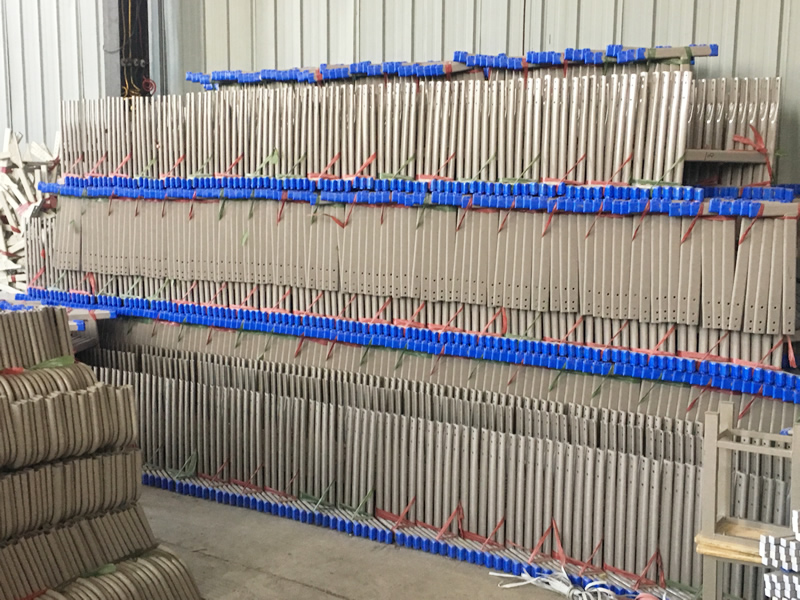
Common Materials for Student Desks and Chairs
1. Desk/Chair Frame Materials (Support Part)
Thickened Steel Pipe
Material: Cold-rolled steel pipe, wall thickness 1.0–1.2mm
Advantages: Sturdy and stable, no wobbling, strong load-bearing capacity, high cost-performance ratio, not easily deformed
Disadvantages: Lower-end models are prone to paint peeling after prolonged exposure to moisture
Suitable for: Public schools, primary and secondary schools, training institutions
2. Desktop/Chair Surface Materials (Plate Part)
Melamine Board (Ecological Board/Fireproof Board)
Advantages: Wear-resistant, scratch-resistant, waterproof and stain-resistant, easy to clean, non-deformable, high cost-performance ratio
Disadvantages: Susceptible to sharp and heavy objects
Suitable for: Most primary and secondary schools, training classes
Multi-layer Solid Wood Board
Advantages: Environmentally friendly and odorless, good texture, strong load-bearing capacity
Disadvantages: High price, susceptible to water damage
Suitable for: Private schools, high-end classrooms, after-school care centers
All-Plastic Panel (ABS) Engineering Plastics
Advantages: Waterproof, corrosion-resistant, rust-proof, odorless, drop-resistant
Disadvantages: Cool in winter, average texture
Suitable for: Kindergartens, damp areas, canteens, activity rooms
Solid Wood
Advantages: Natural and environmentally friendly, high-end texture
Disadvantages: Expensive, prone to cracking, susceptible to moisture, requires regular maintenance
Suitable for: Traditional Chinese culture classrooms, high-end private schools
MDF/Particleboard
Advantages: Inexpensive
Disadvantages: Susceptible to water, prone to swelling and deformation, high formaldehyde risk
Avoidance: Schools should avoid using this; only suitable for temporary simple housing.